Hair Integration Systems Reviews: What Works in Lancaster
Table of Contents
- What Hair Integration Systems Actually Do
- Hair Integration Consultation Questions You Should Ask
- Mesh Integration vs Hair Topper: Which Serves Your Hair
- Hair Integration Maintenance: What Your Lifestyle Needs to Support
- Evaluating Integration Systems for Your Natural Hair
- Common Expectations vs. Reality
- Your Next Step: The Discovery Consultation
- Frequently Asked Questions
Last Updated: October 17, 2026
What Hair Integration Systems Actually Do
Hair integration systems aren't extensions in the traditional sense. They're cosmetic solutions designed to add coverage, density, and dimension to your natural hair by working with what you already have rather than replacing it entirely. The distinction matters because it shapes everything about how the system performs, how long it lasts, and whether your natural hair stays healthy underneath.
At Conceited Beauty Bar in Lancaster, I evaluate hair integration systems through one lens: can this method be fitted to your specific hair without compromising its integrity? That's the core question. Some women come in expecting a system that will work for every situation. That's not realistic. The right integration system depends on your natural hair's density, texture, lifestyle demands, and what it can safely support.
Integration systems come in two primary categories. Mesh integration uses a lightweight mesh base that sits against your scalp, allowing your natural hair to be woven through it. Meshless integration (also called hand-tied or custom integration) skips the mesh entirely and relies on strategic placement and hand-tied construction to blend with your natural growth. Both can work beautifully. Neither works for everyone.
The goal is coverage where you need it, usually the crown, part area, or sides, without adding unnecessary weight to fragile hair. Think of it as cosmetic planning: you're not treating a condition, you're creating the appearance and feel of fuller, denser hair in specific zones.
Hair Integration Consultation Questions You Should Ask
Before committing to any hair integration system, you need to understand how it will actually function in your daily life. The consultation is where that clarity happens. Here are the questions that separate a thoughtful decision from a costly mistake.
Ask about your natural hair first. How will the stylist assess your hair's density, texture, and what it can safely carry? A responsible consultation includes an honest evaluation of whether integration is appropriate for you right now.
Ask about placement and coverage. Where exactly will the integration system sit? How much of your scalp will it cover? Will it blend with your natural part, or will you need to adjust your styling?
Ask about maintenance expectations. How often will you need to return for maintenance appointments? What happens between visits, will you need to wash it in a specific way, avoid certain activities, or use specialized products?
Ask about your lifestyle fit. Do you swim, work out regularly, travel frequently, or spend time in humid climates? Each of these factors influences which integration system makes sense. Mesh integration, for example, requires different care than meshless.
Ask about realistic expectations. What will this actually look like? Can you see photos of similar hair types with similar coverage goals? Be specific about what "natural" means to you. Some women want obvious fullness; others want subtle enhancement. Both are valid.
Ask what happens if it doesn't work. What's the plan if the integration doesn't blend the way you hoped, or if your natural hair doesn't tolerate it? A consultation should include honest conversation about potential adjustments or alternatives.
Mesh Integration vs Hair Topper: Which Serves Your Hair
These two approaches solve different problems, and understanding the distinction helps you choose what actually fits your situation.
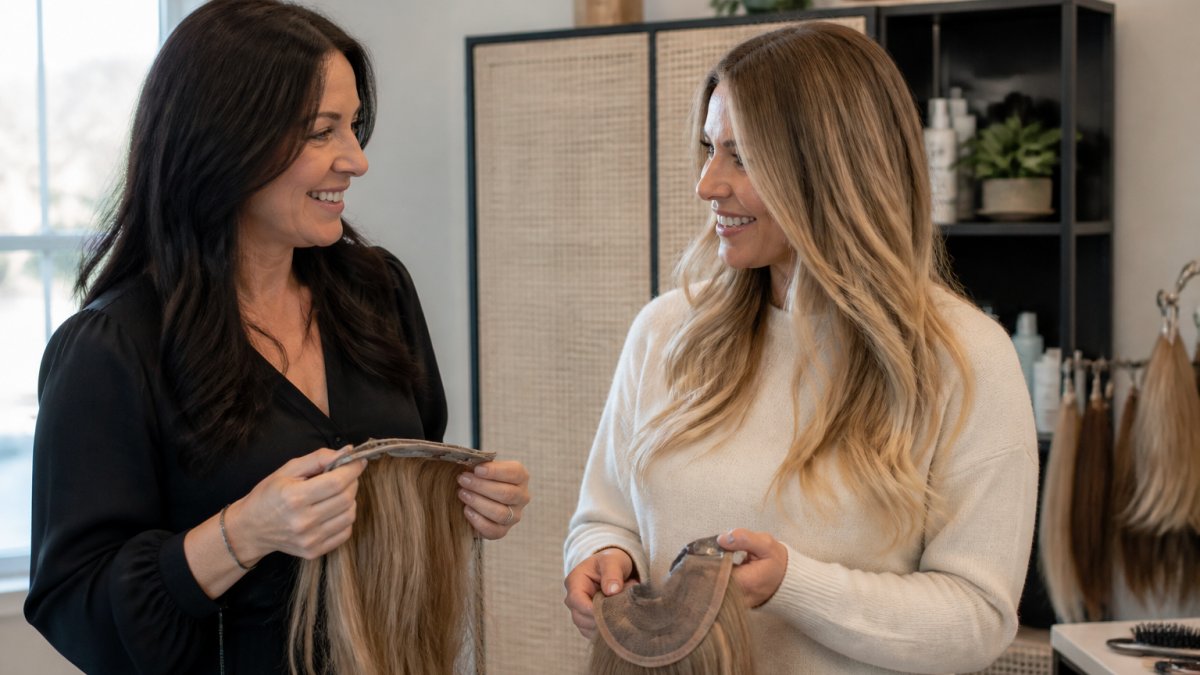
Mesh integration uses a lightweight mesh base that attaches to your scalp using adhesive or clips. Your natural hair is woven through the mesh, which allows for a seamless blend at the hairline and part area. The mesh sits directly against your scalp, so it requires consistent cleansing and maintenance to prevent buildup. For women in Lancaster with thinning around the crown or part, mesh integration can provide targeted coverage without the bulk of a full topper.
The advantage is precision. You're adding density exactly where you need it. The disadvantage is commitment: mesh requires regular maintenance appointments and careful at-home care. If you travel frequently or prefer a low-maintenance option, mesh integration demands more from your schedule.
A custom hair topper is a separate piece that covers the crown and upper scalp area. It's not woven into your natural hair; it sits on top and blends with your existing strands at the perimeter. Toppers are easier to remove, cleaner to maintain, and more flexible for lifestyle changes. You can take it off for swimming, workouts, or travel.
The trade-off is that toppers require a secure attachment method and careful styling to blend seamlessly. Some women find them more comfortable; others prefer the integrated feel of a mesh system. The right choice depends on your hair density, styling preferences, and how much hands-on maintenance you're willing to do.
| System | Best For | Maintenance Level | Removal |
|---|---|---|---|
| Mesh Integration | Targeted crown/part coverage | High | Professional removal |
| Custom Topper | Full crown coverage with flexibility | Moderate | Easy removal |
Hair Integration Maintenance: What Your Lifestyle Needs to Support
This is where many women's integration systems fail. Not because the system is poor quality, but because the maintenance demands don't match their actual life.
Mesh integration requires consistent care to keep your scalp healthy and the mesh clean. You'll need to cleanse regularly, typically every 5-7 days, using products that won't break down the adhesive or damage the hair. If you swim, that adds complexity because chlorine and saltwater affect both the adhesive and the hair quality. If you work out and sweat heavily, buildup happens faster.
Meshless integration is gentler on your scalp but still demands attention. Hand-tied systems need periodic tightening as your natural hair grows. You'll notice the system shifting slightly week to week. Some women find this normal and manageable; others find it frustrating.
Custom toppers require you to secure them daily if you're wearing them full-time, or manage the attachment/removal cycle if you're taking them off regularly. The attachment method matters here, clips, adhesive, or integration with your natural hair all have different maintenance rhythms.
Consider your actual schedule. Are you someone who can commit to salon visits every 4-6 weeks? Can you follow a specific cleansing routine without shortcuts? Do you travel for work, or are you based locally in Lancaster most of the time? Will you be swimming, exercising intensely, or spending time in environments that stress hair systems?
The best integration system is the one you'll actually maintain. A lower-maintenance option that you use consistently beats a high-maintenance system you neglect because life got busy.
Evaluating Integration Systems for Your Natural Hair
The fundamental principle I use with every client is this: the method gets fitted to your hair, not the other way around. That means starting with an honest assessment of what you're working with.
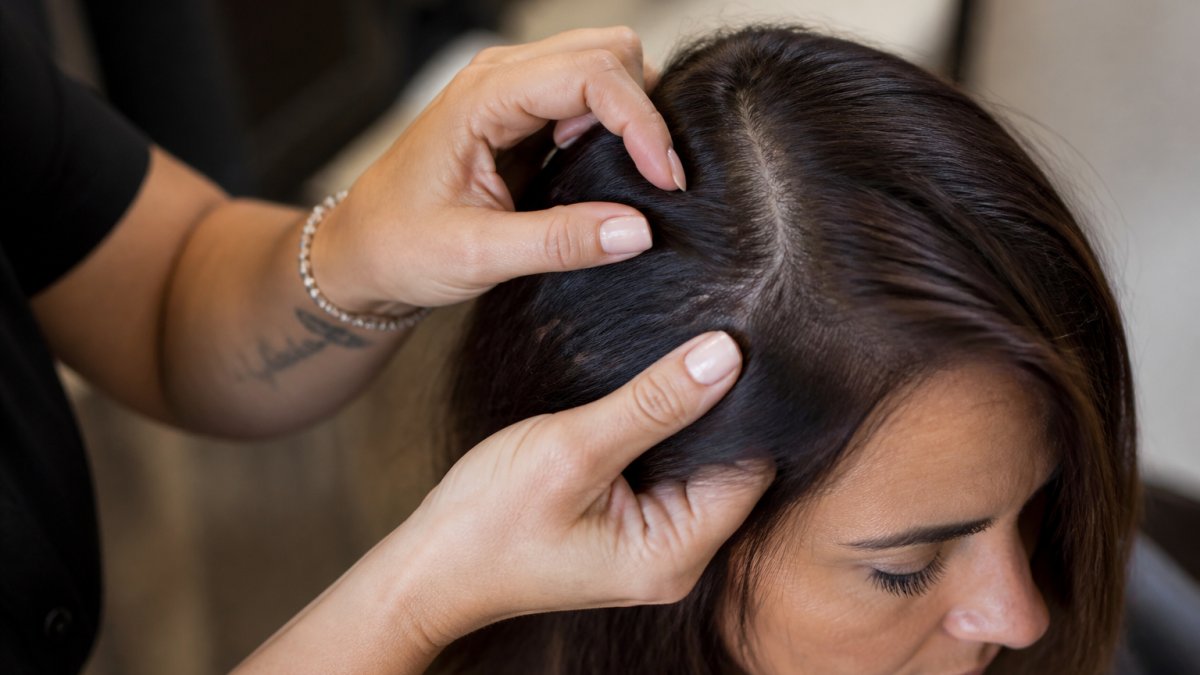
Your natural hair's density, texture, and overall health determine what an integration system can safely do. Fine hair can't support the same weight as coarse, thick hair. Low-density hair needs a different approach than medium or high density.
During a consultation, I'm assessing several things simultaneously. How much density do you have at the crown, part area, and sides? What's your hair texture, is it straight, wavy, curly, coily? How does your natural hair respond to tension?
This assessment determines whether mesh integration, meshless integration, or a custom topper is the right fit. It also determines whether you need a different approach entirely, perhaps a weft integration or even just a strategic extension placement rather than a full integration system.
I also consider your hair growth cycle. Integration systems work best when your natural hair is growing steadily.
The goal is realistic expectations. You should know exactly what coverage you're getting, how it will blend with your natural hair, and what maintenance that requires. You should also know what it won't do. Integration systems add density and coverage. They don't treat underlying hair loss conditions.
Common Expectations vs. Reality
Women often arrive with assumptions about integration systems that don't match what's actually possible. Addressing these upfront saves disappointment later.
Expectation: It will look completely undetectable. Reality: A well-blended integration system looks natural, but close inspection will reveal it's not all your own hair. The goal is for it to look intentional and beautiful, not invisible. If someone is looking closely at your scalp, they'll see the integration. Most people won't be looking that closely.
Expectation: I won't have to do anything to maintain it. Reality: Integration systems require consistent care. You can't ignore them between appointments and expect them to perform. Depending on the system, you're looking at weekly or bi-weekly cleansing, regular salon visits for maintenance, and careful styling practices.
Expectation: It will feel like my own hair. Reality: It will feel better than you might expect, but it won't feel identical to your natural hair. There's a slight weight difference, a different texture where the integration meets your natural hair, and a different movement pattern. Most women adjust to this within a few weeks.
Expectation: It will solve my hair loss. Reality: Integration systems provide cosmetic coverage. They don't treat the underlying cause of hair changes. If your thinning is related to hormonal shifts, medication side effects, autoimmune factors, or other medical causes, those require medical attention.
Expectation: I can wear it however I want. Reality: Integration systems have styling limitations. Some placements won't work with certain hairstyles. Updos may be more challenging. Swimming and intense sweating require extra care. Your stylist should be clear about what's realistic for your lifestyle.
Your Next Step: The Discovery Consultation
If you're considering hair integration in Lancaster, the next step is a consultation designed specifically for your situation. This isn't a sales appointment. It's an assessment of whether integration is appropriate for you, which system would serve your hair best, and what realistic expectations look like.
During a discovery consultation, I evaluate your natural hair, discuss your lifestyle and styling preferences, show you examples of integration systems that match your hair type and coverage goals, and answer every question you have. You'll leave knowing whether integration is right for you, what the process looks like, and what maintenance commitment you're making.
The goal is clarity and confidence. You should feel certain about your decision, not pressured into a system that doesn't fit your life or your hair.
Begin Your Discovery by reaching out to Conceited Beauty Bar. I work with women navigating hair changes from hormonal shifts, medication side effects, autoimmune factors, and genetic thinning. I've helped women in Lancaster find cosmetic solutions that feel authentic, require maintenance they can actually sustain, and respect the integrity of their natural hair. Your situation is unique. Your integration system should be too.
Frequently Asked Questions
What is a hair integration system and how does it differ from a traditional hairpiece?
A hair integration system blends added hair directly with your natural hair using methods like mesh or meshless integration, creating coverage that moves and feels like your own hair. Unlike traditional hairpieces, integration systems don't sit on top of your head, they're anchored through your natural hair, so they stay in place during movement and don't require daily application. This approach respects your natural hair's integrity while adding the density or coverage you're seeking.
How do I know if my hair can safely support a hair integration system?
During a consultation, I assess your natural hair's density, texture, and overall condition to determine what weight and placement your hair can safely carry. Fine or fragile hair requires a different approach than thick hair, the method must be fitted to your hair, not the other way around. I evaluate factors like your current shedding patterns, scalp health, and how you style your hair daily. Not every person is a candidate for every system, and that's the conversation we have together.
What questions should I ask during a hair integration consultation?
Ask about the placement strategy and how much weight your natural hair will carry, what maintenance routine fits your lifestyle, how the system will blend with your natural texture and color, what happens if your natural hair changes, and what the realistic timeline looks like for results. Also ask how the stylist evaluates your hair's integrity and what their approach is if your hair can't safely support a particular method. A good consultation is about understanding your specific situation, not a sales pitch.
How much maintenance does a hair integration system require?
Maintenance depends on the system and your lifestyle. Mesh and meshless integration typically require regular appointments for adjustments as your natural hair grows, plus a home-care routine using appropriate products. The frequency varies, some clients come in every 4-6 weeks, others less often depending on their hair growth rate and how active they are. During your consultation, I discuss what maintenance looks like and whether it aligns with your schedule and willingness to commit to upkeep.